Ethereum's $39B Hold: When TVL Doesn't Mean Conviction
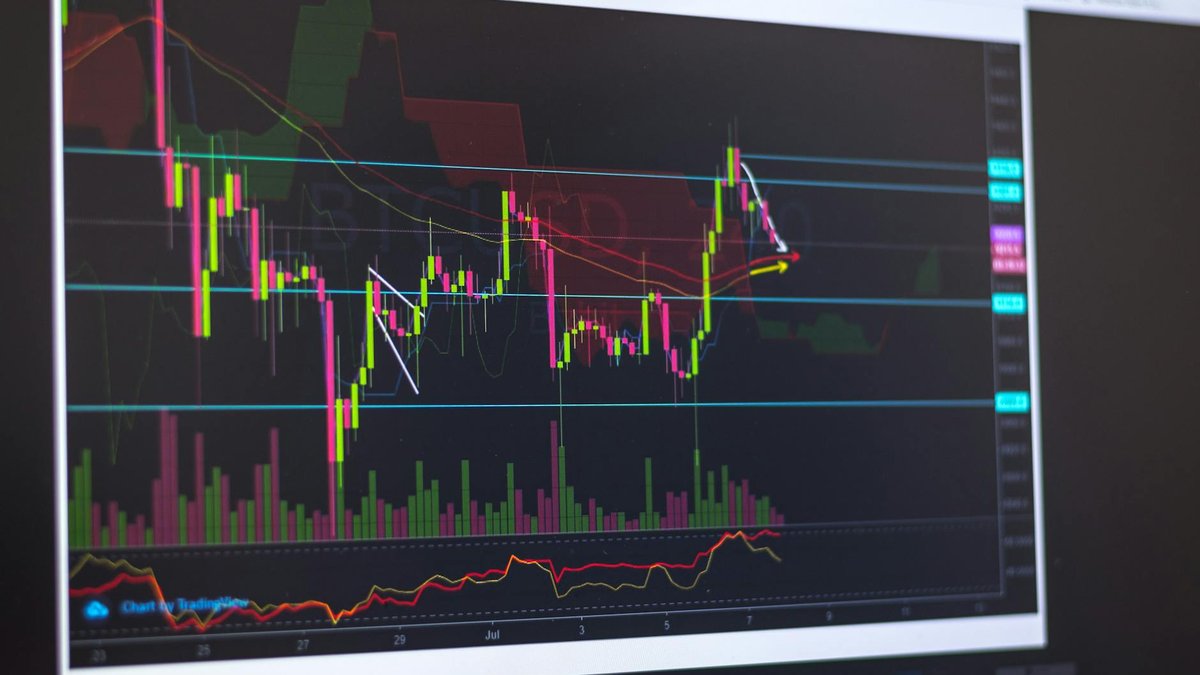
Ethereum's DeFi TVL stays flat while the market bleeds 2%. But flat TVL during a selloff reveals less conviction than most think. What's really happening underneath?
Read article →DeFi protocols, yields, lending markets, AMM design, liquid staking, and the slow rebuild of on-chain finance after the 2022-2023 deleveraging.
DeFi went through a brutal deleveraging in 2022-2023 and rebuilt slowly through 2024-2025 with fewer narratives and better infrastructure. This cluster covers what survived: the major lending markets (Aave, Morpho, Spark), the dominant AMMs and DEX aggregators (Uniswap v4, Curve, Jupiter, 1inch), the restaking and liquid restaking layer (EigenLayer, ether.fi, Renzo, Kelp), and the new generation of perp DEXes that compete with centralized exchanges on volume.
Our coverage is structural: how a protocol earns its fees, who holds its governance token, where its yield actually comes from (real revenue vs token emissions vs points pre-farming), and what the worst-case scenarios look like. We link to DefiLlama, Token Terminal, and primary docs rather than to Twitter threads. When a yield looks too good, we say so; when it is real and sustainable, we say that too.
Recurring threads: stablecoin yield strategies and where the dollar carry actually lives, restaking-secured services and their fee accrual, perp DEX market share (Hyperliquid, dYdX, GMX, Vertex), and the maturing intersection between DeFi and tokenized real-world assets (RWA). Read the cluster as a working manual for navigating on-chain finance without losing money to a protocol you did not read about first.
47 articles in this cluster · browse all topics